Short answer
Normalize the quote before comparing prices
Ask each supplier to identify the finished unit, the quantity for each design, the exact material and construction, what is included in the unit price, separately charged samples and setup, and the delivery term at a named place. Compare the total for the same specification and packed order quantity. A low price per box is not comparable with a price per flat sheet; neither tells you the cost of a complete packed order on its own.
1. Separate the products and the artwork
Request distinct lines for mailer boxes, printed tissue, paper filler, cards and stickers. For each line, state the total required quantity, the number of designs and the split by design or color. Confirm whether the minimum order quantity (MOQ) applies to the entire product line, each artwork, each size, each color or each production run. A shared logo does not automatically combine MOQs across different products.
For example, 900 stickers across three designs could mean 300 finished stickers of each design, not 900 of each. The same question matters for two mailer-box sizes or two tissue-paper print designs. This is a quantity illustration, not a Papyrn MOQ or price. If the requested split is not feasible, ask the supplier to show a priced alternative without silently changing the required product.
2. Name the finished unit and its specification
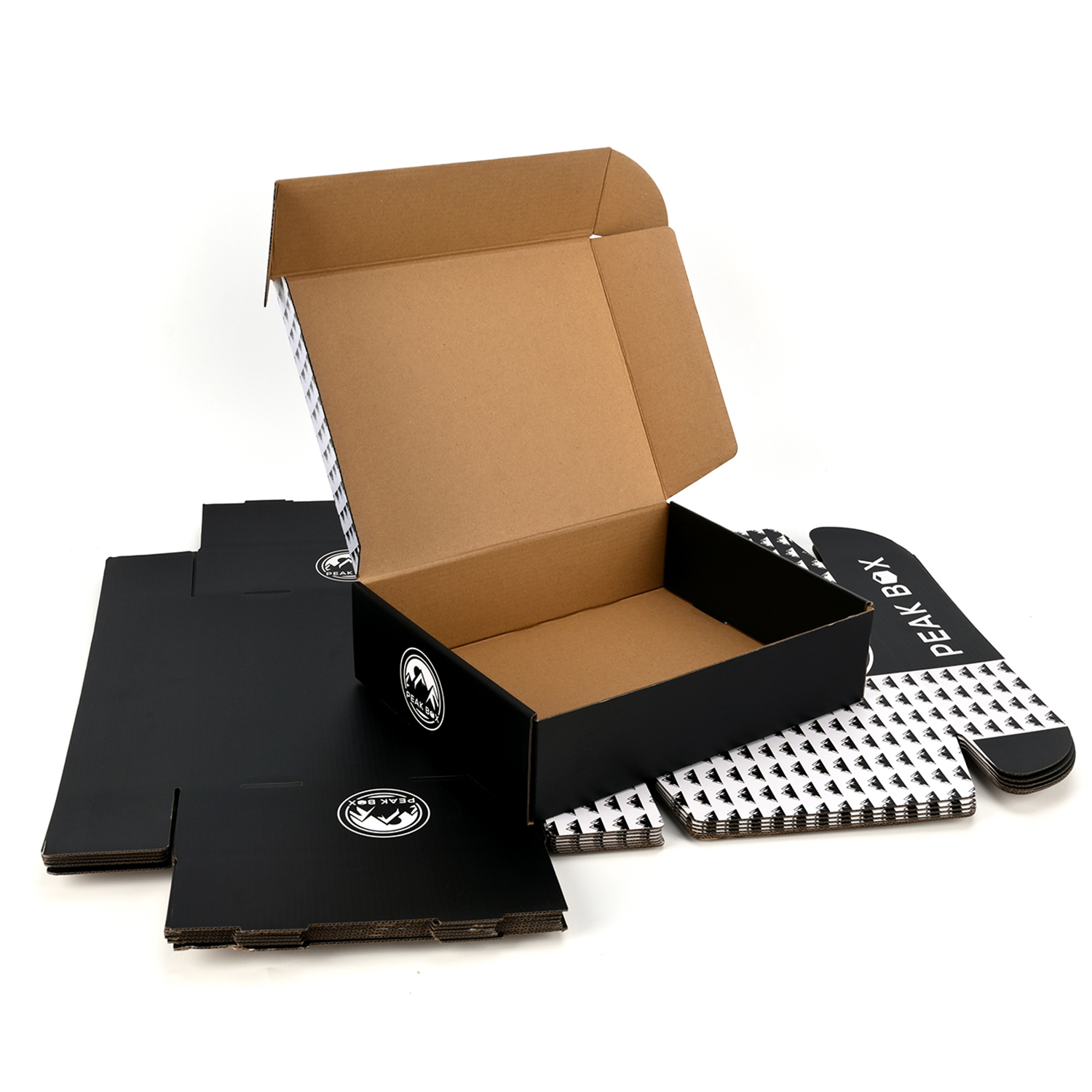
One assembled box
Internal dimensions and structure, board/flute, print surfaces, finish, packing and quantity per size or artwork.
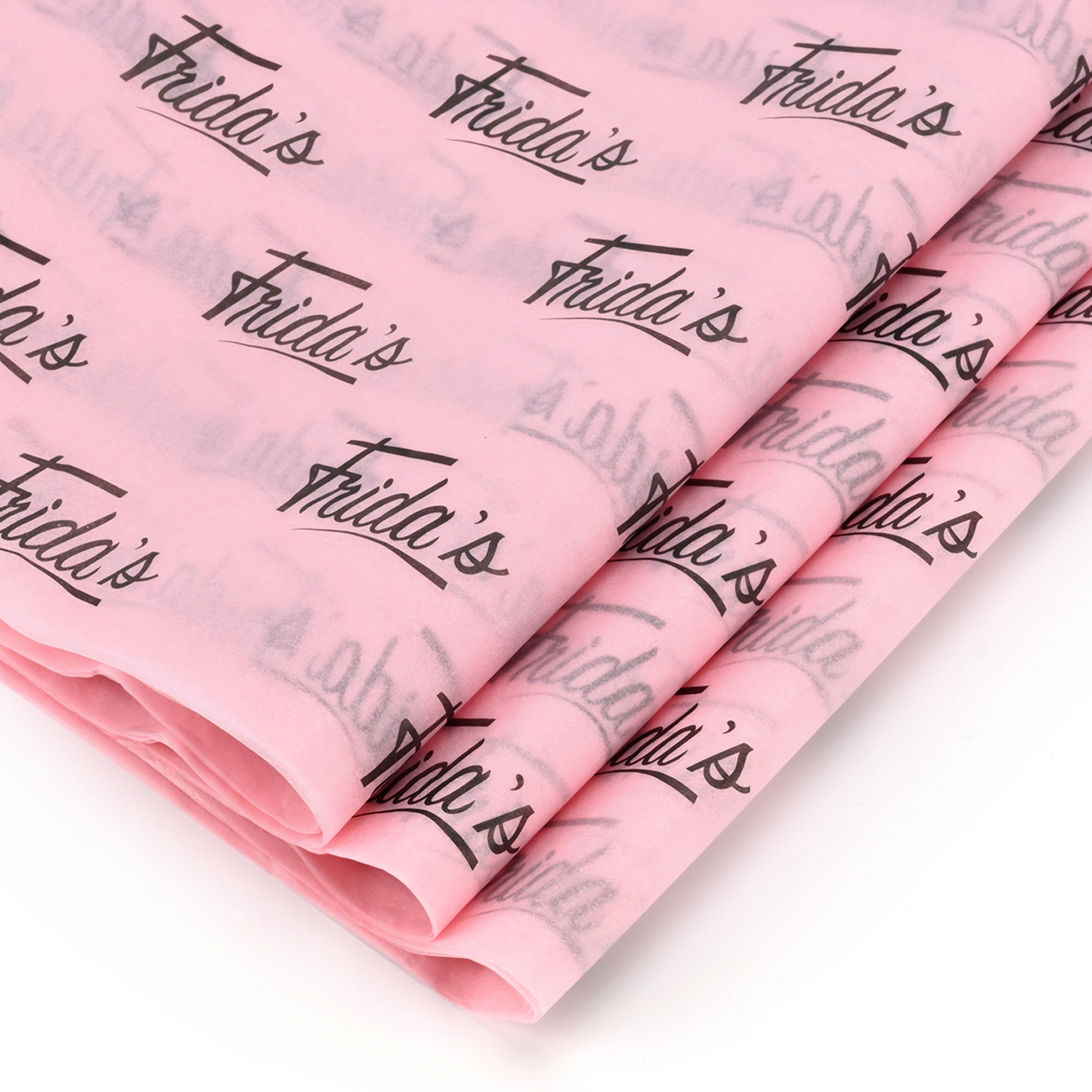
One finished sheet
Sheet size, paper weight, print colors, sheet count and whether the sheets arrive flat or folded.
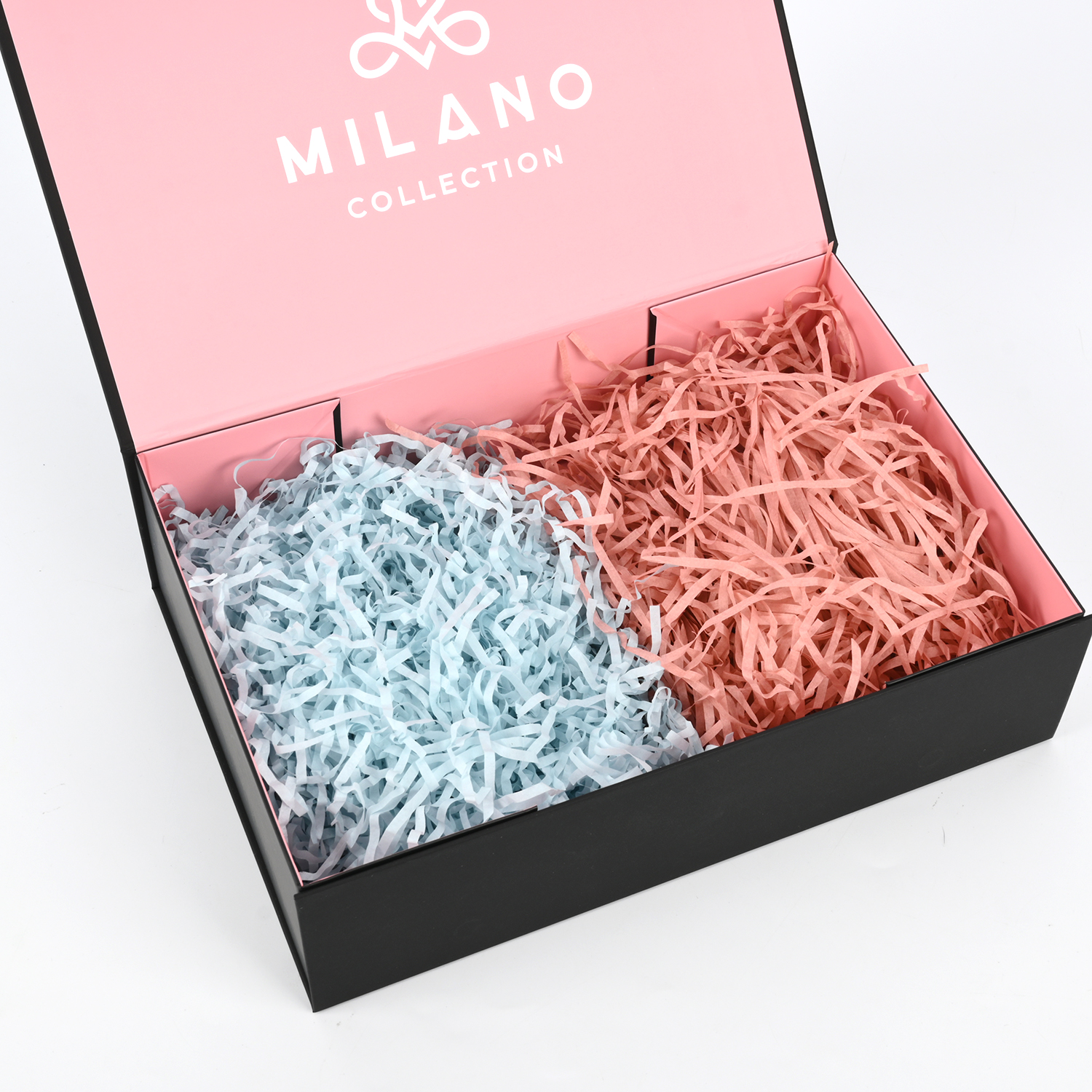
One kilogram or another stated weight
Color, material, minimum weight, packing and measured grams used per packed order.
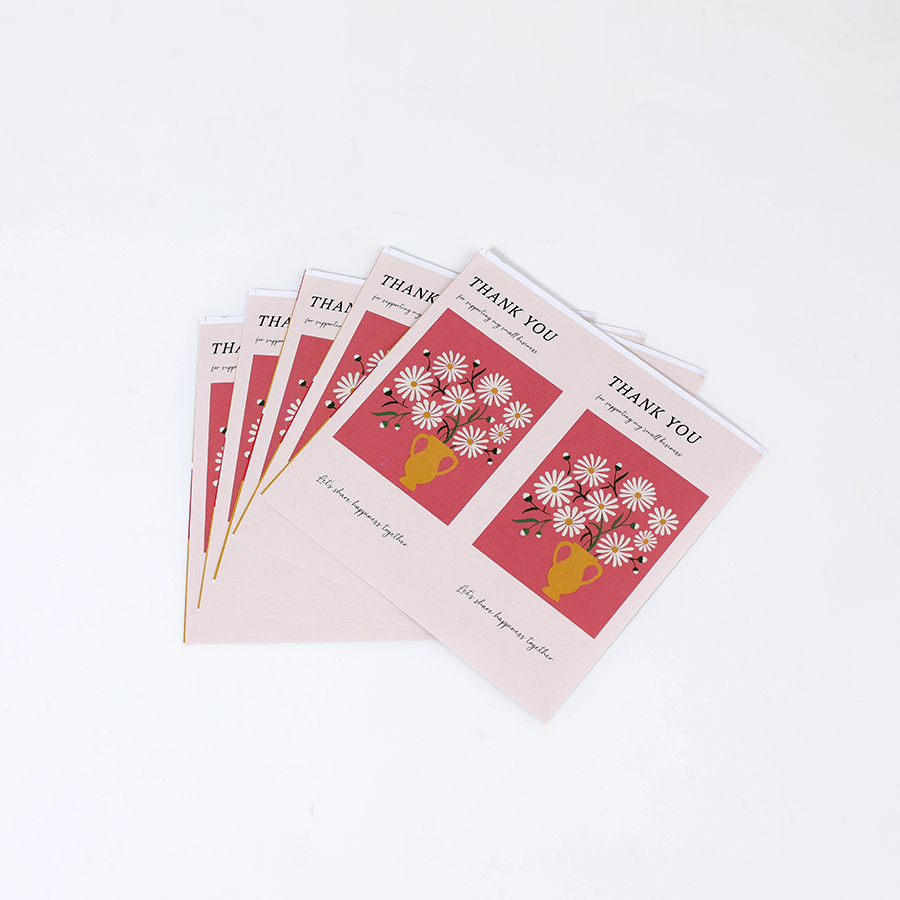
One physical finished card
Size, stock, sides printed, finish, quantity per design and packing.
One individual sticker, one sheet or one roll, as stated
Finished piece size, pieces per sheet or roll, liner, adhesive, die cut and quantity per artwork.
A double-sided run of 300 cards is still 300 finished cards, not 600. A sheet with multiple stickers is not one finished sticker; ask for both the number of sheets and the total number of individual pieces. For rolls, also confirm winding direction, liner and core size. Our sticker-sheet versus round-seal guide covers the application difference.
3. Compare cost per packed order
Once unit prices are clear, calculate how many of each unit one order actually uses. If a pack uses one box, two tissue sheets, one card and one seal, multiply each quoted unit price by that usage. For filler, weigh a real packed sample rather than assuming that every box needs the same volume or weight. Then add any one-time charges and the allocated delivery cost. Use the packaging cost per order calculator to run this arithmetic with your own prices.
Check box fit with the real contents and closure. An internal size on paper can miss the space needed for a mailer lid's side flaps; changing the box after sampling changes the quote. Tissue is often bought as a versatile sheet size, but the number of sheets per order is a separate packing decision. A filler quote by kilogram does not tell you how many orders it covers until you measure actual use. See the tissue and filler quantity calculator for planning quantities, and the real mailer-fit examples for a physical size check.
4. Keep unapproved choices as quote assumptions
Reference images and logos show direction; they are not production files. If box size or board, tissue weight, filler color, sticker adhesive, card stock or finish is undecided, request an indicative quote with written assumptions. Ask the supplier to price feasible alternatives separately and show how each choice changes the unit price, MOQ and lead time. Do not compare a printed, laminated box with an unprinted box as if only the supplier changed.
For a tissue-paper seal, ask the supplier to test the adhesive on the actual tissue. For dark cards, compare colored stock with a printed dark background on a specified stock and inspect physical samples. Where artwork is not final, keep the quote provisional. See our artwork file guide before approving production files.
5. Price samples and one-time costs separately
A digital preview, a plain structural box sample, a printed box proof, a tissue print sample, a filler color sample and a finished sticker on its intended surface answer different questions. Ask what sample is supplied, how many pieces, whether shipping is included, and whether its fee is credited against a later bulk order. Keep die charges, plates, color setup and other one-time costs visible instead of hiding them in an unexplained unit price.
Requesting a quote does not authorize a paid sample or an order. The supplier should wait for explicit approval of cost, artwork and sample scope. Our sample-types guide explains which proof can answer which production question.
6. Compare the delivered total, not only the unit price
Ask for currency, unit price and bulk subtotal for each product, plus samples, setup, packing, freight, estimated duties and taxes where applicable, quote validity and lead time. Specify the delivery destination and requested Incoterms rule with a named place. If boxes, tissue, filler and inserts will ship together, ask whether the freight estimate assumes one consolidated shipment or separate cartons. Box dimensions and packed weight matter to the estimate.
A provisional freight figure can be useful when the full address is not ready, but it must state the assumed postcode or area and whether the total may change. "Door to door" alone does not say who pays import charges. The ICC explains that DDP uses a named destination and places import-clearance and applicable duty and tax responsibilities on the seller. Confirm that a supplier can actually offer DDP for the destination before treating it as a firm total. See our delivery-quote guide.
A quote-comparison checklist
- One line for each product, size, supply format and requested artwork split.
- Finished unit: box, tissue sheet, filler kilogram, card, sticker piece, sheet or roll.
- Material, structure, dimensions, print, finish, adhesive and packing as relevant.
- Total finished units, quantity per design or color, and MOQ restrictions.
- Measured use per packed order, especially tissue sheets and filler weight.
- Unit price, bulk subtotal, sample charge and one-time setup for each line.
- Production and sample lead times, carton data and consolidated or separate shipping.
- Currency, freight, duties, taxes, named delivery place and quote validity.
- Clear labels for unapproved artwork, assumptions and items needing a physical test.
Request a revised quote after final artwork, packed samples and delivery details are confirmed. Do not treat a reference visual or a provisional freight estimate as final production approval.
Published November 6, 2026; updated November 9, 2026. The quantity example is illustrative, not a price or MOQ promise. Papyrn prepares project-specific quotes from confirmed specifications; samples and production require separate approval.