Short answer
Approve a written standard, not only a photo
Before bulk production, identify the exact artwork version, finished material and construction, the physical sample or proof being approved, and the requirements that make the packaging usable. Mark critical features such as product fit, closure, legible copy and scannable codes separately from cosmetic preferences. Agree how finished pieces will be checked and what happens if a measured result falls outside the agreed standard. Do not assume a sample approval means zero variation across every bulk piece.
1. Put these acceptance points on the order
Use a single written specification for each packaging item and design. Where a limit matters, agree the actual value or reference with the supplier; the table below is a list of decisions, not a set of universal tolerances.
Item, design/SKU, quantity per design and approved file revision
Correct artwork and product are packed into the correct cartons.
Inside size, board construction, product orientation and closure method
The actual packed product fits and the box closes without forcing tabs.
Paper, print method, important color reference, coating or lamination and visible faces
Required text is present and legible; critical color or finish is compared under the agreed conditions.
Barcode/QR content, adhesive surface, fold or insertion action, if applicable
The code can be tested, seals adhere to the intended surface, and inserts fit the packing process.
Pieces per bundle/carton, carton identification and protection method
Counts and labels match the order; transport packing is suitable for the route.
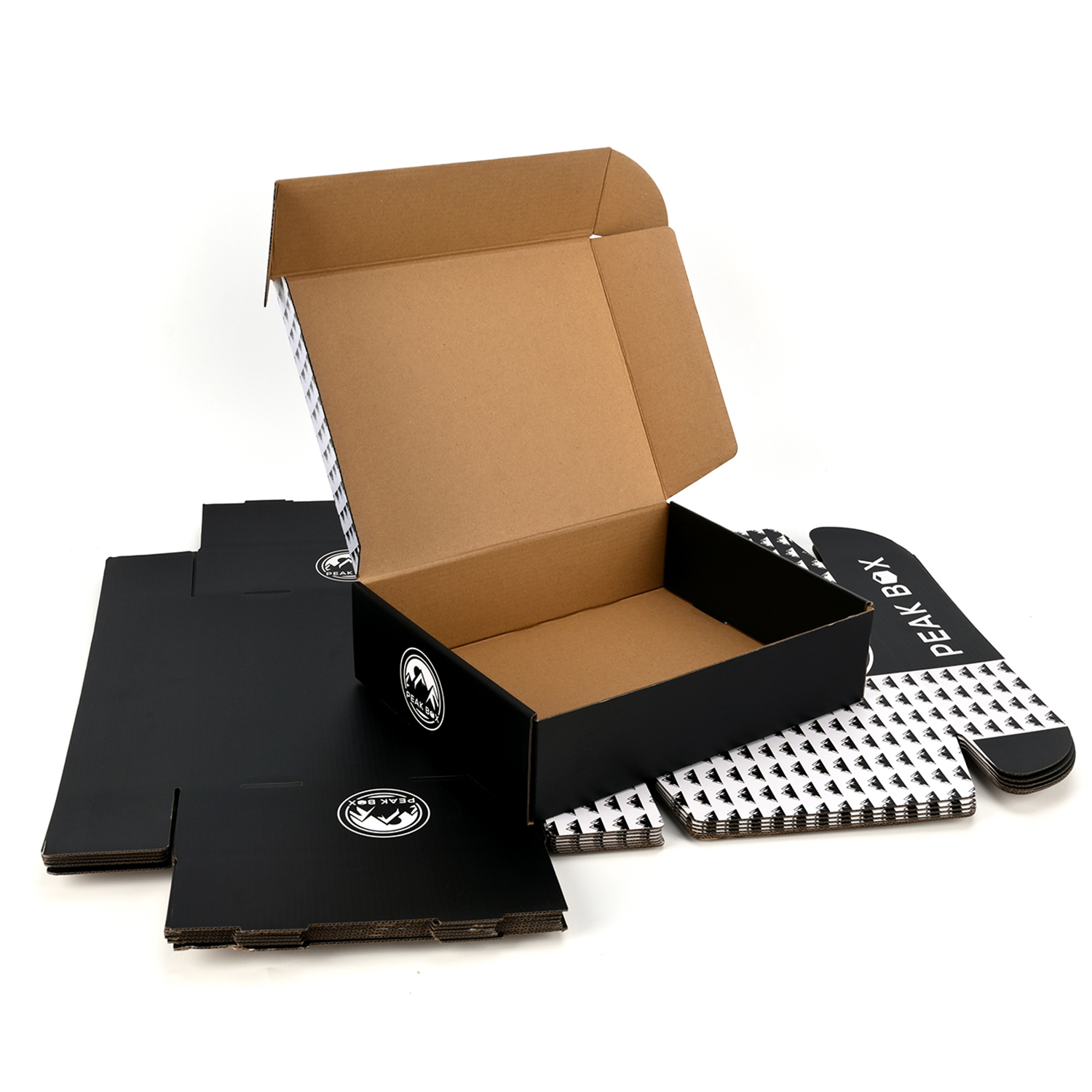
For a mailer box, nominal inside dimensions alone are not enough. Check the fully packed and fully closed sample, including the space used by side-tuck flaps. The product-fit guide shows why this matters for irregular items and multi-piece sets.
2. Name the reference sample and what it proves
Write down the sample date or identifier and who approved it. A blank structure sample can establish size and closure but not final print color. A digital print sample may show layout and approximate color direction without matching an offset production run. If a particular finish or color is commercially critical, ask which proof can represent the actual material and process. Our sample-method guide explains the differences.
Keep the approved physical sample, final artwork and any written exceptions together. If a later revision changes stock, coating, print process or dimensions, confirm whether the old sample still controls that feature. For sensitive color, a screen screenshot or CMYK value alone is not a substitute for an agreed physical reference; see the color proofing guide.
3. Decide how to inspect a bulk lot
Agree who checks the shipment, when inspection occurs, what counts as a lot and how defects are classified. A missing barcode or box that will not close may have a different business impact from a small mark on a hidden panel. Avoid vague phrases such as "good quality" or "acceptable color" when a feature is critical to selling or packing the product.
If the order uses a formal sampling plan, name the standard and edition, inspection level, acceptance quality limit, defect categories and handling of failed lots in the contract. ISO 2859-1:2026 describes acceptance-sampling schemes for inspection by attributes; it does not automatically become the agreed plan for a particular packaging order. A small informal spot check is not proof that every unit is conforming, and a few photos do not establish the affected quantity in the whole lot.
4. Confirm the action if a criterion is missed
Before production, agree how the buyer will report an issue, what evidence is needed, who reviews it, and how the affected quantity will be established. The response depends on the verified problem and usable stock: sorting or rework, replacement, supplementary shipment, credit or refund may each be appropriate in different circumstances. Do not promise an automatic full-batch remedy for a defect seen in only a few pieces, and do not dismiss a functional failure as a cosmetic variation.
If a problem is discovered after delivery, our arrival and damage checklist shows which photos, carton details and production references help investigate it.
A short approval message to send your supplier
For order [reference], please confirm the final artwork revision, material and construction, finished dimensions, approved sample identifier, critical fit and print points, inspection method, defect categories, and carton packing. Please flag any item not covered by the sample and any proposed change before bulk production starts.
Fill in the actual specifications and make sure the supplier confirms them; the message is a prompt for discussion, not a complete contract by itself.
Published November 12, 2026. This checklist is general purchasing guidance. No numerical size, color, adhesive or defect tolerance is implied; agree project-specific limits and inspection terms before production. The product photograph is illustrative of structure, not of a failed order.